The starting point: a warm site with nothing to be found for
Samantha Waldman is a psychotherapist in Midtown Manhattan and online across New York. She works with adults on trauma, codependency and family dynamics, with a particular focus on Asian American, multiracial and adopted clients, and she uses EMDR, DBT and sandplay alongside talk therapy. She came back from maternity leave in the summer to a practice that had stopped receiving inquiries.
The site was minimal and well designed, but it had a home page, three specialty pages and a blog that brought in no readers. Google sent it a handful of clicks a week, almost all of them from people searching her name. Anyone who did not already know her was not finding her.
The playbook: lean all the way into your own language
Do not hesitate to lean all the way into your own language. It is the one thing on your site no other practice can copy.
Samantha’s language is about coping and skills. She gives people tools, observes how they behave, names the pattern, and then equips them with a strategy for the next time. So that is the language the site uses, page after page: a problem someone is living with, the pattern underneath it, and the concrete thing to do about it. Each week she explained one topic on our call the way she would in a session, and that explanation became the page.
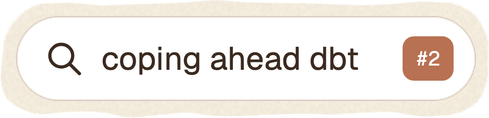
It shows most clearly on the smallest page. “Coping ahead” is a DBT skill she teaches often, so she walked me through it the way she walks a client through it. That article is now second on Google for the skill and sends its readers straight to her DBT page.
The system: specialty pages, fed by articles
Six specialty pages built or rebuilt - EMDR, codependency, family therapy, DBT, adoptee therapy and sandplay - and twelve articles on the blog, each one linking to the specialty page its reader is most likely to need next.
Positions from Ahrefs, United States, October 2026; clicks and the EMDR page’s average position from Google Search Console, September 2026.