





A store no one can find is just an expensive secret.
Plenty of attention goes to the blog and the landing pages. But the pages that actually make money - your product and category pages - are usually the least optimized: thin descriptions copied from the manufacturer, no internal structure, and no schema telling search engines what’s on them.
Ecommerce SEO is catalog work. It means treating every product and collection page as a page that can rank, earn a rich result, and get cited in an AI answer - not just a place to put a buy button.
I work as a fractional ecommerce SEO consultant - not an agency reselling a checklist - so the catalog work gets done by the person who scoped it, on the pages that actually move revenue.
The catalog is where the buying happens - and where the easy wins hide. This is the work, page type by page type.
01Product pages & descriptions
Strong product page SEO starts here: rewrite thin or duplicated descriptions into researched, on-brand copy that ranks for what buyers actually search - and reads like it was written for a person, not a crawler. SEO product descriptions done properly.
02Category & collection pages
Ecommerce category page SEO is the highest-intent, most-overlooked work: structure, copy, and internal links so collection pages rank for the broad commercial terms - not just individual products.
03Review & rating showcase
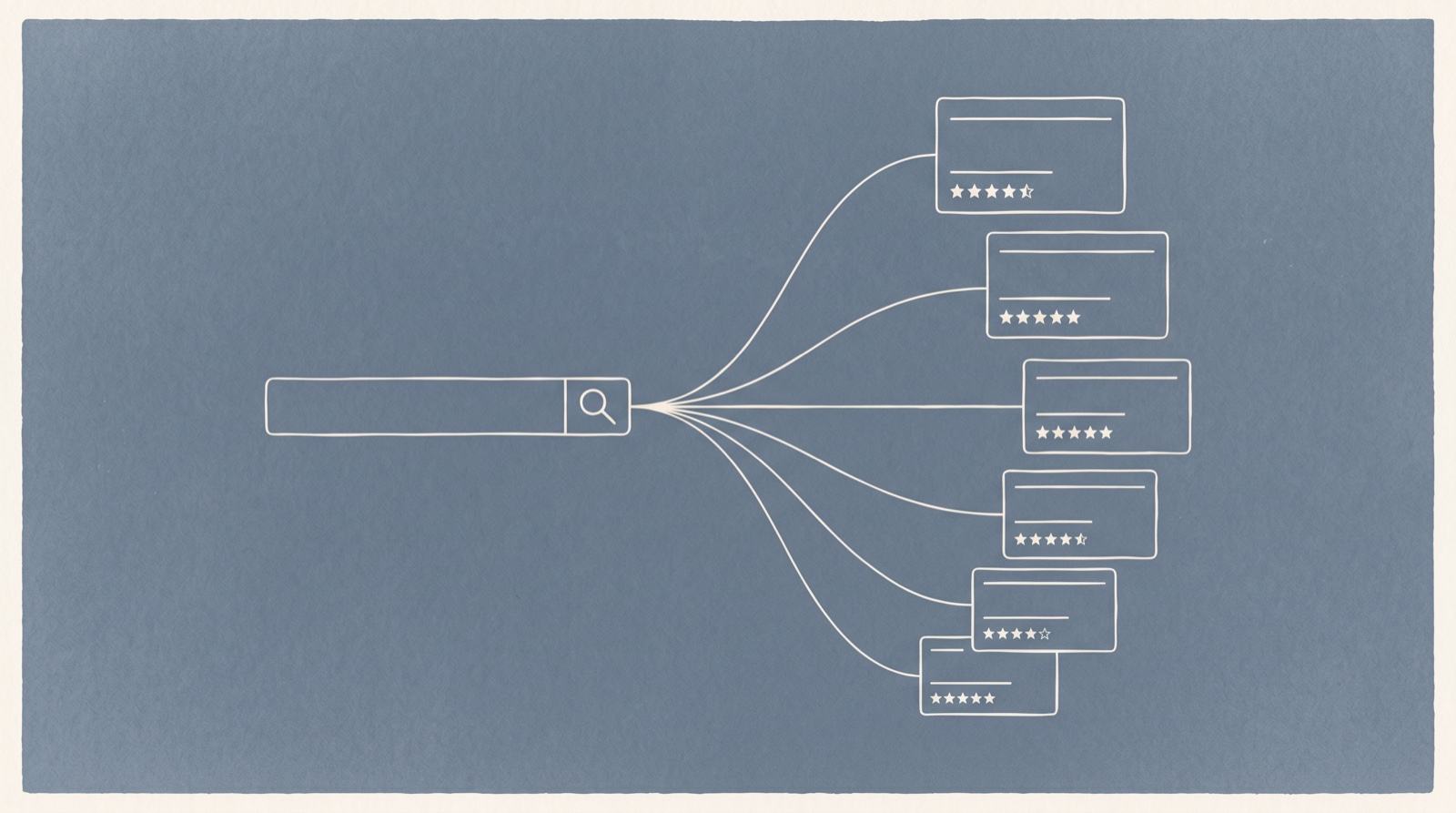
Surface the reviews you’ve already earned on the page itself, marked up so Google can show star ratings - trust that travels straight into the search result.
04Supporting blog content + interlinks
Editorial that answers the questions buyers ask before they purchase - written with real expertise and linked directly to the products it supports, so content becomes a path into the catalog, not a dead end.